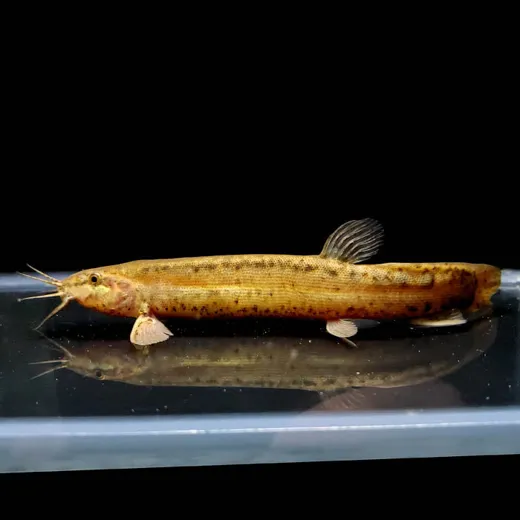
Dojo Loach | Misgurnus Anguillicaudatus
The Dojo Loach, often referred to as the Weather Loach, because people say they can predict the weather. When the air pressure around them changes, like before a storm or even on a sunny day, then they start wiggling and swimming more. This happens because their bodies can sense even the tiniest shifts in the water as the air pressure rises or falls. It’s almost like they’re telling you, “Rain is coming” or “The sky will clear up soon”
These loaches can grow up to about ten inches in length, so they need a long tank with soft sand or fine gravel to dig and explore. They accept a wide range of water temperatures between 59-77°F. Dojo Loaches are peaceful and enjoy being in small groups, where you can watch them burrow together and play in the sand.
| Specification | Value |
|---|---|
| Scientific Name | Misgurnus Anguillicaudatus |
| Maximum Length | Up to 10 inches |
| Water Temperature Range | 59-77°F |
| Substrate Preference | Soft sand or fine gravel |
| Behavior | Peaceful, social, active diggers |
FAQ
Can Dojo Loaches sense changes in air pressure?
Yes, Dojo Loaches are known to react to changes in air pressure, often showing increased movement before storms or on sunny days.
What kind of tank setup do they need?
They require a long tank with soft sand or fine gravel to dig and explore. A group of at least three is recommended for natural behavior.
Are Dojo Loaches compatible with other fish?
Yes, they are peaceful and generally compatible with other non-aggressive community fish.


Sarah Terry –
My Dojo Loach has been in the tank for three months and is very active. It digs in the sand every morning and seems to react to changes in weather. I love watching it move around and interact with the group. Easy to care for and very interesting to observe.
Connor MacLeod –
The loach is calm and enjoys the sand substrate. I noticed it becomes more active before rain, which is fascinating. It’s a great addition to my community tank with other peaceful fish.
Lauren Powell –
I bought this loach for its unique behavior. It’s not just a decorative fish—it seems to respond to environmental changes. The tank setup is simple, and it’s been thriving in a 20-gallon long tank with fine sand.