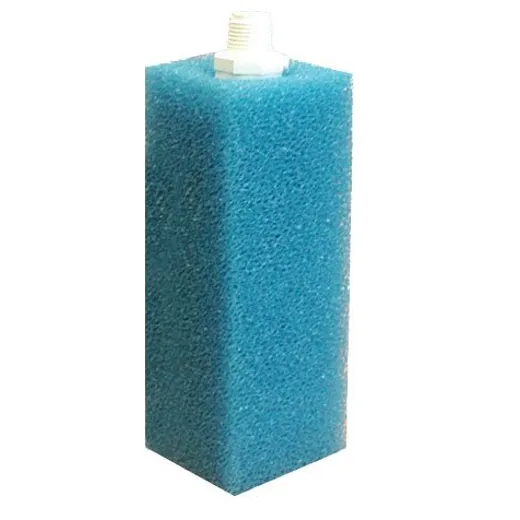
Pond One Sponge Pre Filter PM7200
The Pond One Sponge Pre Filter PM7200 is a large-capacity pre-filter designed to improve pump performance and enhance pond filtration. Featuring a larger sponge than standard pre-filters, it increases the water intake area, helping reduce stress on your pond pump while providing additional mechanical and biological filtration. The sponge captures fish waste, debris, and suspended particles before they enter the pump, reducing blockages and improving overall system efficiency. Its porous structure also provides an excellent surface area for beneficial bacteria to colonise, supporting the natural breakdown of harmful ammonia and nitrite. Easy to remove and clean, the PM7200 Sponge Pre Filter is a practical addition to a pond filtration system.
| Specification | Detail |
|---|---|
| Model | PM7200 |
| Material | High-density sponge |
| Filter Type | Pre-filter |
| Function | Mechanical and biological filtration |
| Installation | Mounts directly before the pump |
FAQ
How often should I clean the PM7200 sponge pre-filter?
Clean the sponge every 1 to 2 weeks depending on pond activity and debris levels. Remove it when it appears visibly clogged or when water flow slows.
Can the PM7200 be used with all pond pumps?
Yes, it is designed to fit before most standard pond pumps and works well with both in-ground and above-ground pond systems.
Does the sponge support beneficial bacteria growth?
Yes, the porous structure provides a large surface area for beneficial bacteria to colonize, aiding in the breakdown of ammonia and nitrite.


Grace Arnold –
The PM7200 sponge has made a noticeable difference in my pond’s water flow. I no longer have to clean the pump as often. The sponge holds debris well and stays clean longer than the standard model.
Steven Slater –
Easy to install and remove. I noticed less clogging in the pump after using this pre-filter. It’s a good investment for maintaining water quality.
Jacob Stewart –
The sponge is durable and effective at trapping fine particles. My fish waste is now being filtered before reaching the pump, which has improved overall system performance.