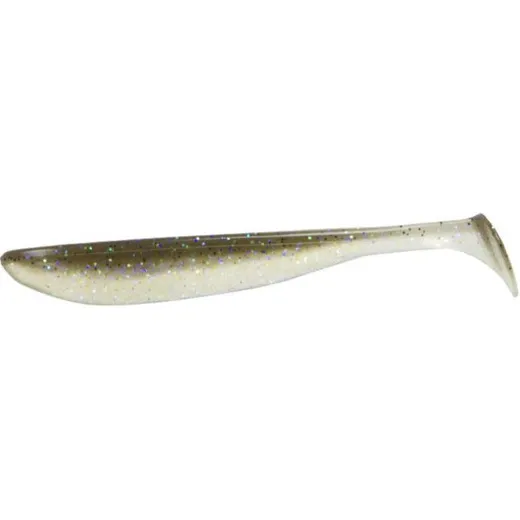
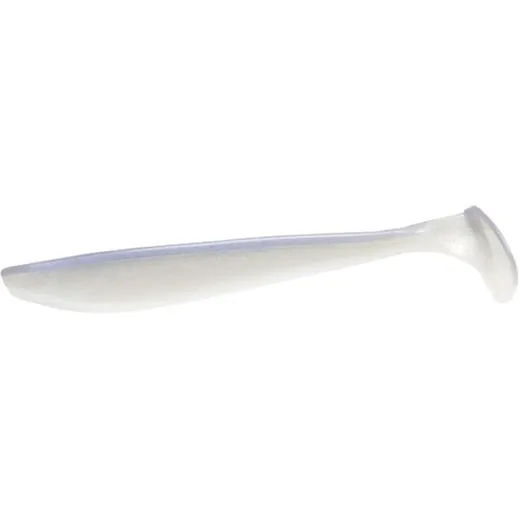
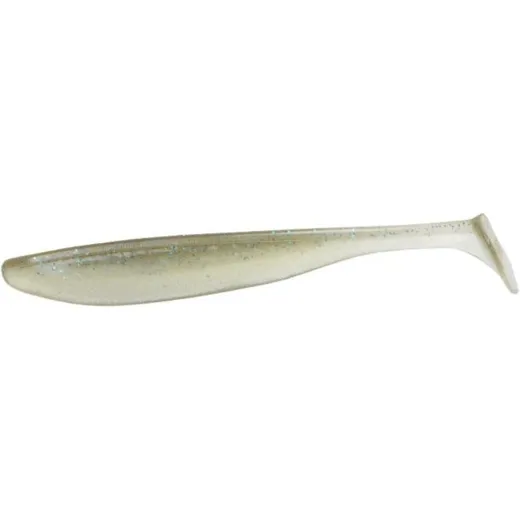
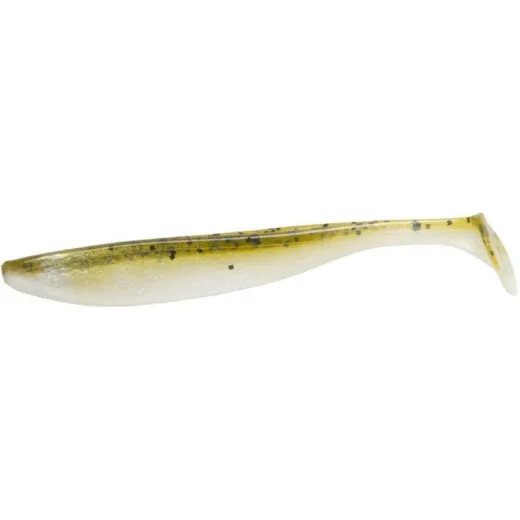
Zoom Boot Tail Fluke Paddle Tail Swimbait – 4 Inch
Features:
- The Boot Tail Fluke is a versatile 5-inch solid-bodied swimbait that merges the lifelike design of the classic Fluke with the hard-thumping tail action of the Zoom Swimmer.
- Made from durable soft plastic, its solid body provides excellent weight and longevity while maintaining a realistic swimming motion.
- Features a unique boot tail that creates powerful body roll and displaces water at any retrieve speed, enticing strikes in all conditions.
- Can be rigged on a weighted swimbait hook, jighead, vibrating jig, swim jig, or a castable umbrella rig—perfect for targeting fish throughout the water column.
- Available in a variety of colors and measuring 4 inches while coming in packs of 10.
| Specification | Detail |
|---|---|
| Length | 4 inches |
| Body Type | Solid-bodied |
| Hook Type | Weighted swimbait hook, jighead, vibrating jig, swim jig, umbrella rig |
| Package Quantity | 10 units per pack |
FAQ
What makes the boot tail different from other swimbaits?
The boot tail creates powerful body roll and displaces water efficiently at any retrieve speed, enhancing its ability to attract fish in various conditions.
Can this swimbait be used in deep water?
Yes, it can be rigged for use throughout the water column, making it suitable for deep water fishing.
Is the material durable for repeated use?
Yes, it is made from durable soft plastic that maintains its shape and performance over time.


Christian Pullman –
This swimbait works well in both clear and murky water. The boot tail gives a strong, natural movement that attracts bass consistently. I’ve used it with a jighead and a swim jig, and it’s proven effective in different depths.
Kevin Murray –
Great for targeting fish in mid-water. The 4-inch size is just right for most setups. It holds up well after several casts and doesn’t break easily.
Boris Black –
I tried it in a lake with heavy cover and it drew in several strikes. The tail action is noticeable and realistic, making it stand out to fish even when they’re not actively feeding.