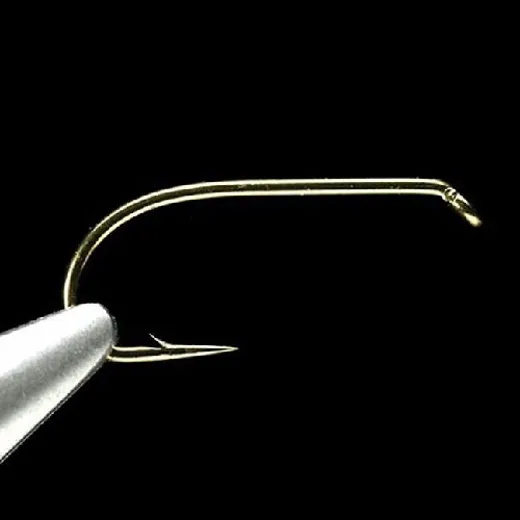
Daiichi 1550 Standard Wet Fly Hook
This is the traditional “wet fly” hook, designed for classic subsurface fly patterns.
These hooks feature a gradual curve from the straight shank to the bend, known as a sproat bend—a shape originally developed by an early English hook-maker and still favored by dedicated fly tiers for its aesthetic appeal.
Key features:
- Sproat bend design
- Down-eye configuration
- Standard wire and length
- Designed specifically for traditional wet flies
| Specification | Detail |
|---|---|
| Hook Type | Standard Wet Fly Hook |
| Hook Number | 1550 |
| Quantity per Pack | 25 hooks |
| Bend Type | Sproat Bend |
| Eye Type | Down-eye |
| Material | Standard Wire |
FAQ
What is the sproat bend and why is it important for wet flies?
The sproat bend is a gradual curve in the hook from the shank to the bend, originally developed by an English hook-maker. It is valued for its aesthetic balance and is considered ideal for traditional wet fly patterns.
Are these hooks suitable for both beginners and experienced fly tiers?
Yes, these hooks are designed for traditional wet fly tying and are well-regarded by experienced tiers. Their standard shape and sproat bend make them accessible and reliable for those practicing classic techniques.
Is the wire material different from other Daiichi hook lines?
No, these hooks use standard wire, consistent with Daiichi’s traditional manufacturing standards. The material is not upgraded or modified compared to other standard hook lines.


Zoe Lambert –
I’ve been tying wet flies for years and the 1550 hook delivers the classic sproat bend I’ve always looked for. The hook holds its shape well and the down-eye makes tying smooth. Perfect for traditional patterns.
Grace Ball –
The pack includes 25 hooks, which is just right for a beginner or someone doing occasional wet fly tying. The bend is true to the original design and feels balanced in hand.
Lisa Henderson –
Great quality for the price. The sproat bend is noticeable and gives the flies a natural look. I use them for subsurface patterns and they perform well in still waters.
Wendy Fraser –
As a fly tier, I appreciate the authenticity of this hook. It matches the traditional style I learned from older guides. The wire is strong and the hook doesn’t bend easily during tying.
Jonathan Wright –
The hooks are consistent in shape and size. I’ve used them for several different wet fly patterns and they hold up well in the water. A reliable choice for traditional fly tying.